
Parking space
Translation generated by AI. Access the original version
Requirement of effective residence in the municipality for the person with disabilities and reduced mobility
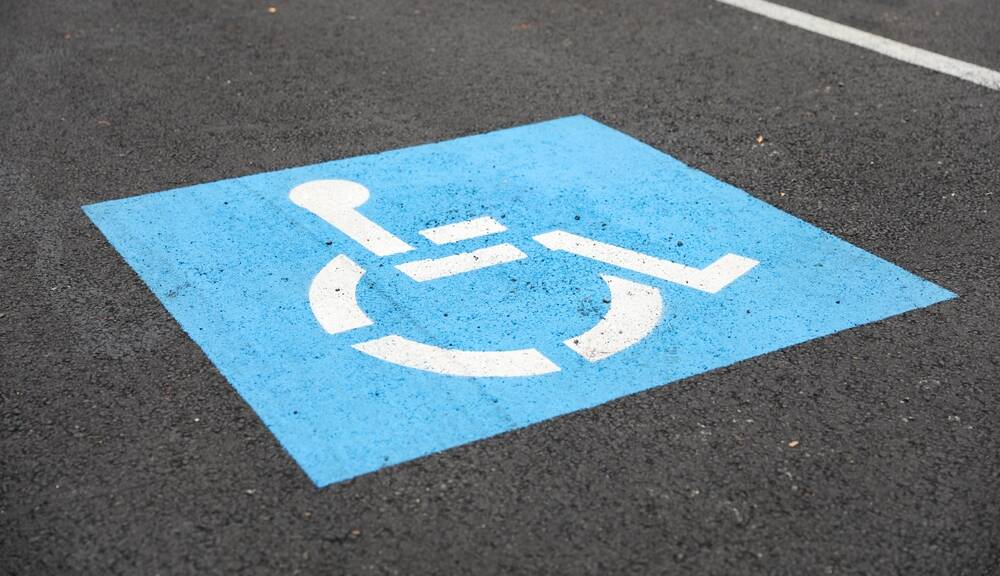
The Supreme Court (TS) has resolved a case that affects many people with disabilities and reduced mobility who need a parking space close to their work. A woman, who had recognized a disability and mobility problems, asked the Irún city council to reserve a parking space near her workplace. However, the city council did not respond to her and, in the end, denied her request because she did not live in Irún, but in the neighboring municipality of Hondarribia, even though she did work in Irún.
The woman did not settle and took the case to court, arguing that the state regulations allow requesting a space both near home and work, and that requiring residency in the municipality is discriminatory. The case reached the Supreme Court, which ruled in her favor. The Supreme Court has made it clear that state legislation provides that all people with disabilities have equal opportunities throughout the country, and that requiring residence in the municipality is not justified by any state or regional regulation.
Furthermore, the Supreme Court considers that denying the space just because one does not reside in the municipality represents an unjustified discrimination and may endanger the person's physical integrity, especially if they have a degenerative disease. Therefore, if you have a disability and need a parking space near your work, they cannot require you to live in the same municipality to grant it to you.
If you feel harmed and dissatisfied with an administrative action, our professionals can advise you in defending your rights. This website uses both its own and third-party cookies to analyze our services and navigation on our website in order to improve its contents (analytical purposes: measure visits and sources of web traffic). The legal basis is the consent of the user, except in the case of basic cookies, which are essential to navigate this website.